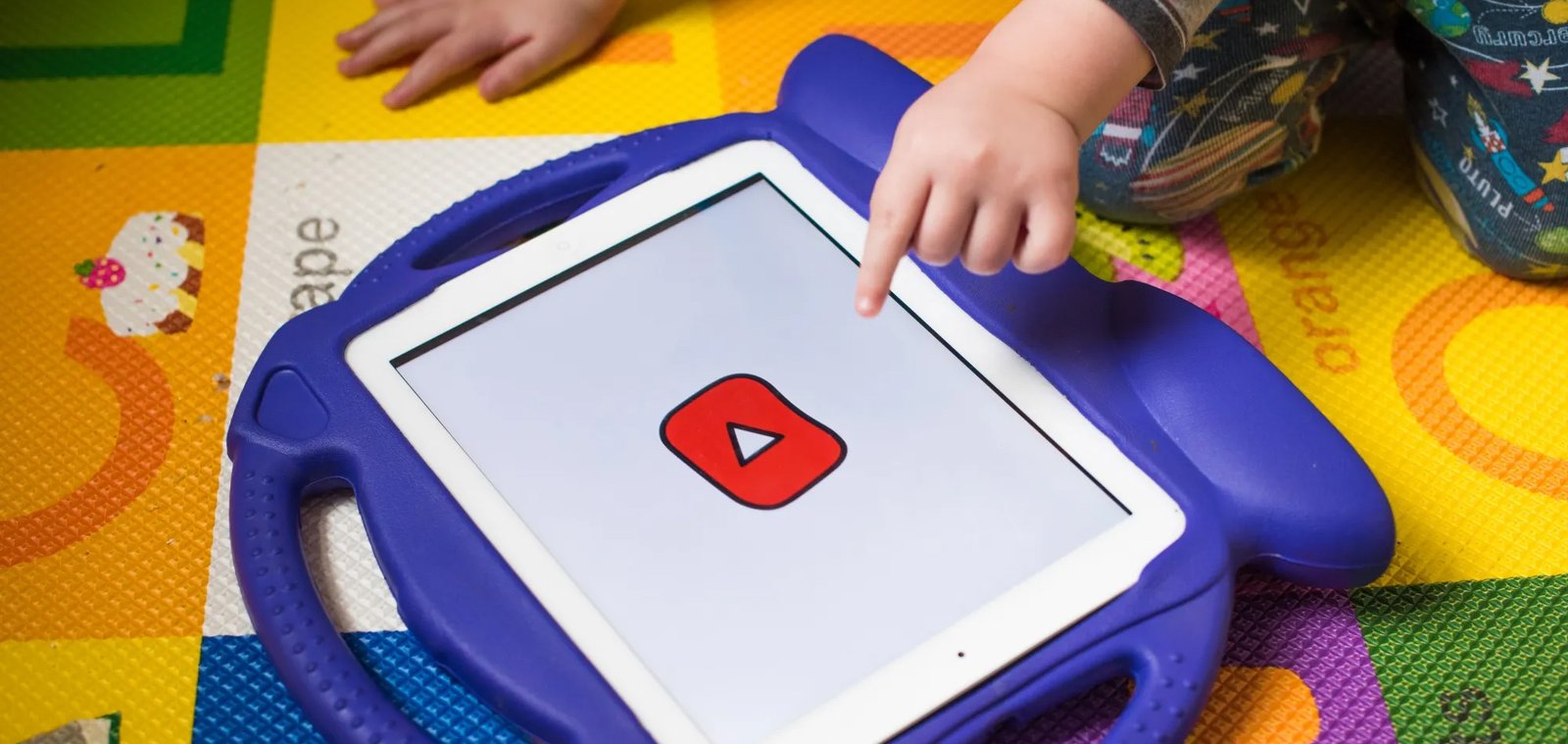
Google is facing growing pressure from over 200 child development specialists, educators, and advocacy groups to tighten controls on AI-generated content aimed at children on YouTube and YouTube Kids. Experts warn that such content often lacks educational value and may mislead young viewers about reality.
Concerns Over AI Content for Kids
In a letter addressed to Google CEO Sundar Pichai and YouTube head Neal Mohan, the experts highlighted that many AI-generated videos are mass-produced, low-effort, and designed primarily to grab attention rather than educate. The concern is that children may struggle to distinguish between real and artificially generated content, potentially affecting attention spans, social skills, and emotional development.
Experts have even dubbed this wave of content “AI slop,” arguing that it prioritises quantity over meaningful learning. Excessive screen time spent on such videos could also displace real-world experiences that are critical for early childhood development.
Governments are increasingly acting on similar concerns. In India, social media platforms are required to label AI-generated content and remove unlawful material within three hours. Such measures aim to protect users, particularly children, from misinformation and harmful content.
YouTube’s Stance
YouTube maintains that it already has systems to limit low-quality content and ensure transparency when AI is used. The platform also offers parental controls to manage what children watch. At the same time, YouTube acknowledges that overseeing AI-generated content is becoming an important priority and has invested in AI-driven content studios, reflecting its interest in exploring the technology responsibly.
As AI becomes more prevalent in digital media, the discussion around its impact on children highlights the delicate balance between innovation and safeguarding young audiences. Experts and regulators continue to push platforms like YouTube to prioritise educational quality and user safety while navigating this new frontier.