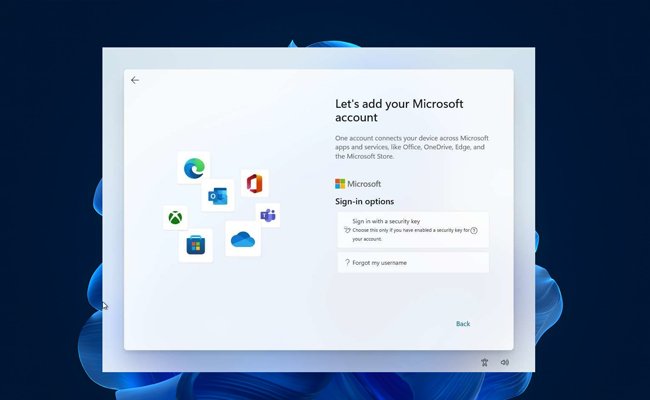
The planned update aims to simplify device setup by removing mandatory Microsoft account login, alongside improvements to performance, interface design, and update controls, addressing long-standing user concerns around usability and system interruptions.
Microsoft is reportedly preparing a significant update to Windows 11 that could eliminate the need for users to sign in with a Microsoft account during the initial setup process. The move is expected to simplify the Out-of-Box Experience (OOBE), a stage often criticised for being lengthy and restrictive.
Currently, users are required to log in with a Microsoft account while configuring a new Windows 11 device, a step many find unnecessary, particularly for basic or offline use. The proposed change would allow users to complete setup without linking their device to an online account, offering greater flexibility and ease of use.
Company acknowledges user concerns
The potential shift was confirmed by Scott Hanselman, who indicated that the company is actively working on removing the requirement. His response to user feedback suggests growing internal recognition of frustrations around mandatory sign-ins.
The update is part of a broader effort by Microsoft to improve usability and streamline onboarding. Enhancements to the OOBE process are expected to reduce friction during setup and help users reach the desktop environment more quickly.
Alongside this change, Microsoft is also focusing on overall system improvements, including better performance, reliability, and interface refinements.
Broader improvements in the pipeline
The upcoming update is likely to introduce several additional features aimed at enhancing the user experience. These include a redesigned Start menu based on modern interface elements and a faster, more responsive File Explorer.
Microsoft is also testing new customization options through its Windows Insider programme, allowing users to reposition the taskbar to different parts of the screen. At the same time, the company appears to be refining its approach to AI integration by reducing the number of entry points for its Copilot feature across apps such as Notepad and Photos.
Frequent complaints about disruptive updates have also prompted changes. Users may soon be able to skip updates during initial setup, delay installations for longer periods, and restart or shut down devices without being forced into updates. The company is also working to minimise unexpected restarts and notifications.
These updates are expected to roll out gradually through testing channels before reaching the wider user base, signalling Microsoft’s continued efforts to make Windows 11 more user-friendly and adaptable.