Artificial intelligence, digital public infrastructure, startup collaboration, scientific research and women-led innovation are gaining prominence as India seeks deeper technology partnerships and inclusive digital growth across BRICS economies.
Technology is taking a more prominent role in India’s engagement with the BRICS grouping, with New Delhi pushing digital innovation, artificial intelligence, public digital infrastructure and scientific collaboration as areas for closer cooperation among member countries.
The emphasis comes as emerging technologies increasingly influence economic competitiveness, public-service delivery and national security. For BRICS economies, discussions around AI governance, cybersecurity, data protection, digital sovereignty and equitable access to technology are becoming increasingly important.
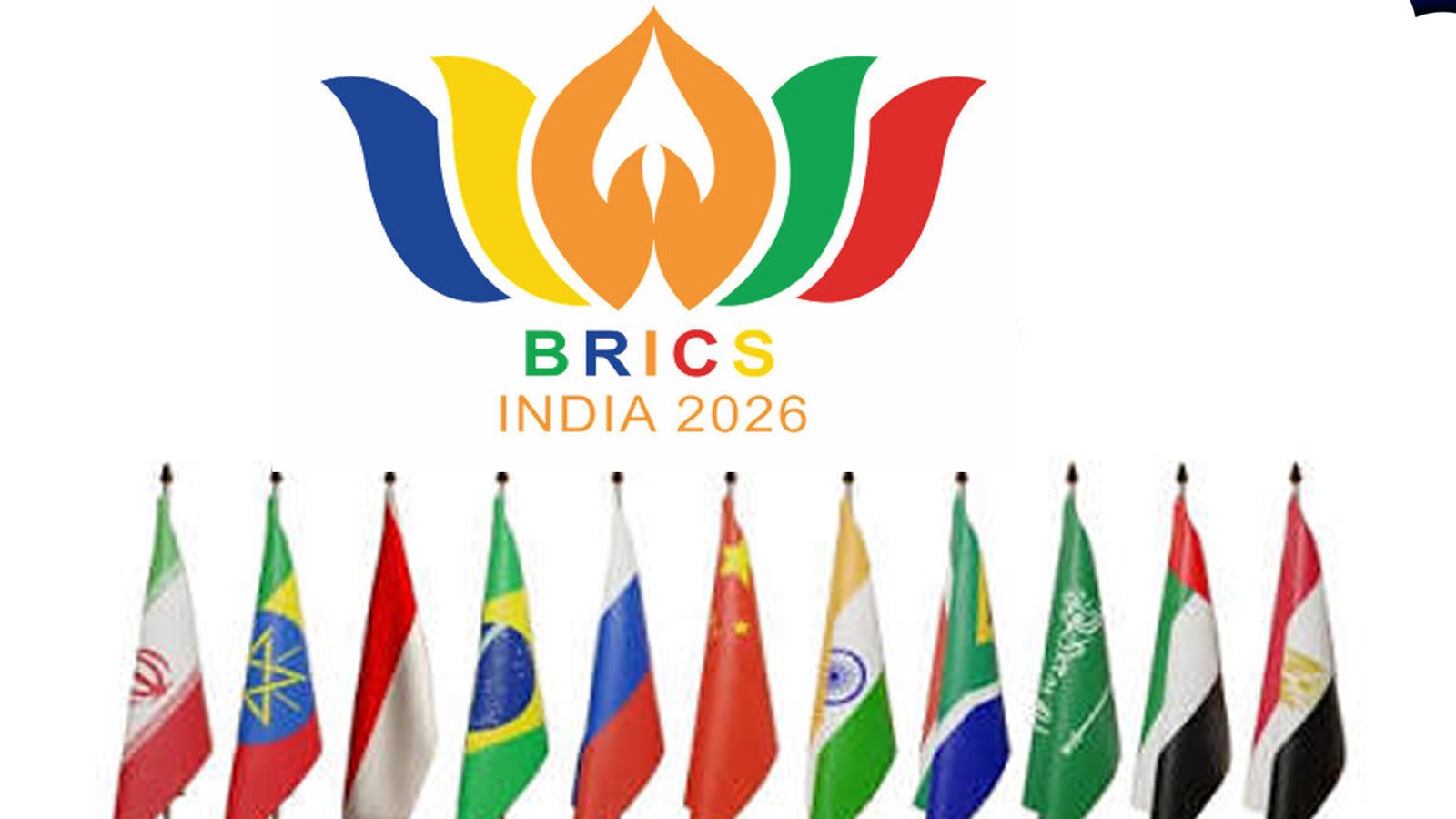
India will host the 18th BRICS Summit in New Delhi on September 12–13, 2026, under the theme “Building for Resilience, Innovation, Cooperation and Sustainability.” The summit is expected to provide a platform for leaders to discuss how technology can support resilient economies and more inclusive digital development.
AI and digital infrastructure take centre stage
Artificial intelligence is among the key technology priorities emerging from India’s BRICS agenda. Cooperation is expected to extend beyond AI adoption to areas such as responsible governance, cybersecurity, accountability, data protection and ensuring wider access to AI capabilities.
Technology discussions have already featured prominently in BRICS ministerial engagements. At the 12th BRICS Communications Ministers’ Meeting hosted by India in August, participating countries discussed AI, cloud technologies, digital governance and resilient communications infrastructure.
India is also promoting cooperation around emerging technologies, next-generation communications and digital ecosystem integration. The objective is to encourage the development of digital systems capable of supporting economic activity while improving access to technology across member economies.
India highlights its DPI experience
Digital public infrastructure is another important element of India’s technology diplomacy. Platforms such as Aadhaar and UPI have demonstrated how large-scale digital systems can support identity services, financial inclusion, digital payments and public-service delivery.
India has increasingly presented its DPI experience as a potential reference for developing and emerging economies seeking scalable and accessible digital systems. Through BRICS, New Delhi is encouraging greater knowledge-sharing around the development and deployment of such infrastructure.
The approach also reflects an effort to ensure that digital transformation reaches governments, businesses and citizens across the Global South rather than being concentrated among large technology companies or advanced economies.
Startup ecosystems and research collaboration
Startup development is another area receiving greater attention. Proposals such as a BRICS Startup Innovation Fund and BRICS Startup Innovation Network seek to connect entrepreneurs, investors, incubators and innovation institutions across member countries.
Stronger cross-border links could give startups opportunities to access international markets, investment, technology partnerships and research networks. The combined size of BRICS markets could also create a larger environment for technology-driven companies to scale.
Scientific cooperation is being encouraged alongside entrepreneurship. The proposed BRICS Science and Research Repository aims to facilitate the exchange of research capabilities and encourage collaboration among scientific institutions.
Areas such as AI, healthcare, energy, climate science and advanced manufacturing could benefit from greater knowledge-sharing and joint research. Such cooperation could help institutions identify complementary expertise and reduce duplication of research efforts.
Women’s role in technology gets attention
India’s agenda also includes initiatives aimed at increasing women’s participation in innovation and entrepreneurship. The BRICS Women Working Group has been working on digital inclusion and women’s entrepreneurship, while the BRICS Women’s Startup Contest focuses on identifying and supporting women-led businesses.
The Women in Innovation, Science and Entrepreneurship (WISE) initiative addresses innovation and collaboration, access to funding and policy advocacy, with the broader objective of reducing barriers to women’s participation in STEM and entrepreneurship.
Focus shifts towards practical outcomes
India’s technology priorities bring together AI, DPI, cybersecurity, cloud computing, next-generation networks, startups and scientific research under a broader vision for digital cooperation.
However, converting these priorities into practical initiatives could be challenging given differences in regulations, technological capabilities and economic structures among BRICS members. Issues such as interoperability, data governance and sustained institutional cooperation will require continued attention.
The September summit could therefore prove important in determining whether BRICS can translate its growing technology dialogue into concrete projects, stronger innovation networks and scalable digital solutions. For India, it also provides an opportunity to showcase its digital infrastructure experience while encouraging wider technology collaboration across emerging economies.